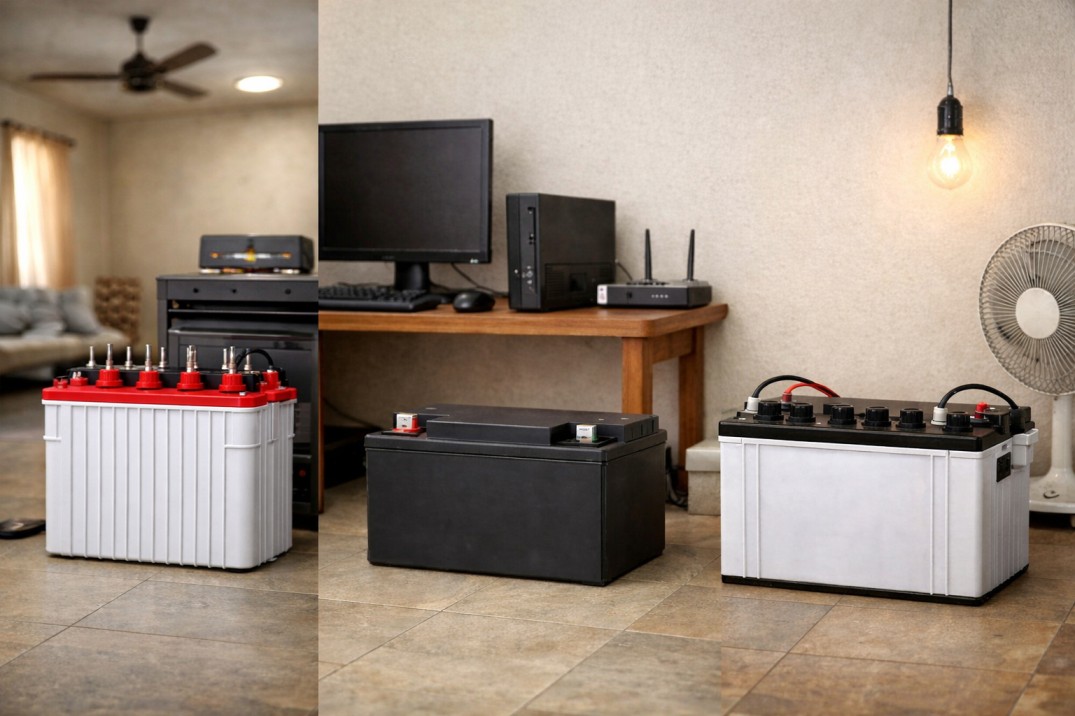
Types of Inverter Batteries You Must Know: Tubular, VRLA & Flat-Plate Explained

Inverter batteries are often purchased in a hurry, usually after experiencing regular power cuts. Unfortunately, that rush leads many people to buy the wrong battery type. The result? Short backup hours, early failure, or repeated replacement costs. This happens not because batteries are bad, but because buyers are rarely given an explanation of the types of inverter batteries in a practical, real-world way.

As one of the established battery manufacturers in UP, Sarex Batteries works closely with dealers and end users who face exactly these problems. Understanding how each battery type behaves under Indian power conditions changes everything.

Why Battery Type Matters More Than Brand Names

Every inverter battery looks similar from the outside. Internally, however, the plate structure, electrolyte flow, and discharge tolerance differ completely. These internal differences determine how long your backup lasts and how many years the battery survives.

Experienced battery manufacturers do not push a single solution. Instead, they evaluate how often power cuts occur, how heavy the load is, and how stable the charging supply remains.

In this blog, let us understand the different types of inverter batteries.

Tubular Battery in India: Preferred by Battery Manufacturers in UP

A tubular battery is designed around a strong tubular plate structure. Lead oxide is locked inside tubular gauntlets, which prevent active material from falling off during deep discharge. This detail alone dramatically increases battery life.

In practical use, tubular batteries handle long and frequent outages without losing efficiency. They recharge evenly, tolerate heat well, and maintain backup capacity for years. That is why tubular batteries dominate homes, shops, and offices facing daily power cuts.

Most premium battery manufacturers consider tubular batteries the safest long-term investment for Indian conditions, especially where voltage fluctuations are common. Leading inverter battery suppliers in UP recommend tubular batteries for heavy daily outages.

VRLA Battery Explained by Battery Manufacturers in UP

A VRLA battery works very differently. It is fully sealed and uses internal gas recombination technology. It comes with many benefits, including no water loss and no acid leakage.

This makes VRLA inverter batteries ideal for indoor environments where cleanliness matters, such as offices, hospitals, and server rooms. They also deliver stable voltage, which protects sensitive electronics.

However, VRLA batteries do not like deep discharge. When used for long backup hours repeatedly, their lifespan is reduced. This is why responsible Sarex recommends VRLA batteries only for controlled, short-duration backup needs.

Flat-Plate Battery: Simple and Budget-Focused

Flat plate batteries consist of flat lead plates surrounded by a liquid electrolyte. Although flat plate batteries are fairly inexpensive to produce and manufacture, their design does not include any safety features for use under excessive loads.

Flat plate batteries provide adequate performance in applications with infrequent and brief periods of downtime due to power outages. However, frequent deep discharges damage plate material quickly. Over time, replacement costs offset the initial savings.

Choosing the Right Inverter Battery

No single battery fits everyone. The right choice depends on how often power fails, how long backup is needed, and where the battery will operate. That is why technical guidance matters more than discounts. Over 70% of Indian households facing frequent power cuts prefer tubular batteries for long-term reliability.

Conclusion

Choosing between tubular, VRLA, and flat-plate batteries becomes simple once their purpose is clear. Tubular batteries offer endurance, VRLA batteries provide convenience, and flat-plate batteries suit light usage. With guidance from experienced battery manufacturers in UP, buyers avoid costly mistakes and secure dependable power backup.

If you are looking for a high-quality inverter, look at our Sarex battery products.

FAQs

Q1. Which inverter battery lasts the longest?

Tubular batteries last the longest during frequent power cuts.

Q2. Why do battery manufacturers prefer tubular designs?

They handle heat, fluctuations, and deep discharges efficiently.

Q3. Are flat-plate batteries economical in the long

Yes, flat-plate batteries are suitable for homes with limited usage, according to battery manufacturers, but for frequent power cuts, tubular batteries are recommended.


How Technology Is Changing Power Backup in India

There is no doubt about the fact power cuts have become part of daily routine . From hot summer afternoons to sudden storms, electricity disruptions can interrupt your work, disturb your home, and even stress you out, and most importantly in this busy world it disturbs your quality time with your loved ones. That’s why having a dependable inverter battery is no formality, it’s a requirement. Sarex Batteries, a trusted inverter battery manufacturing company in UP, is helping homes and businesses stay powered with reliable and advanced inverter solutions.

Why high-quality Inverter Batteries Are Gaining Attention

Perhaps you might be curious to know, what distinguishes a high-quality inverter battery from an ordinary battery?

High-quality inverter batteries are designed to have a longer life, quicker charging capabilities, and even integrated protection from extreme temperature fluctuations.

Here are some examples which highlights some of the features that set them apart are:

  • Lasts longer – Designed to handle daily use for years.
  • Charges quickly – Less waiting when power returns.
  • Handles heat and cold – Perfect for UP’s changing climate.
  • Track it from your phone – Some models even let you see battery health via apps.

In short, a high-quality inverter battery doesn’t just hold power, it works high-quality so you’re never left in the dark.

Why Sarex Batteries Are a Smart Choice

Being one of the top inverter battery manufacturers in UP, Sarex Batteries combines technology and quality in every product. 

Here’s what you get with Sarex high-quality inverter batteries:

  • Reliable backup – Lights, fans, and essential devices keep running even during blackouts.
  • Durable design – Strong materials ensure the battery lasts longer.
  • Low maintenance – Less hassle, fewer service visits.

With Sarex, you’re not just buying a battery, you’re investing in consistent power and peace of mind from a trusted battery manufacturing company in UP.

How high-quality Inverter Batteries Could Make Your Life Easier

Take 10 minutes of your busy life and reflect on your daily life. High-quality inverter batteries can simplify your life by keeping your house comfortable when power cuts occur, or powering your shop, office,

When you choose to buy a high-quality inverter battery, you are making a safe, efficient, and convenient choice, not simply buying another device.

Step Into a Hassle-Free Power Future with Sarex Batteries

Power cuts are more frequent than ever, it is best to be prepared. With Sarex Batteries, you get a long-life, high-quality inverter battery that combines reliability, modern features, and professional support from a trusted battery manufacturing company in UP. Don’t wait for the next blackout upgrade now and enjoy uninterrupted power in your home or business.

FAQs

Q1. What makes high-quality inverter batteries different from ordinary inverter batteries?

They store more power than ordinary inverter batteries and charge efficiently for longer life.

Q3. Can they handle frequent power cuts?

Absolutely. Sarex batteries are built to provide steady backup, ideal for homes and businesses in UP.

Q4. Why should I choose Sarex over other brands?

Sarex offers local expertise, strong materials, long-lasting design, and low maintenance making your life easier and worry-free.

Power That Propels You Ahead – The Dependability of Sarex Inverter Batteries!!

Are you looking for a good and reliable inverter battery?
Serex inverter battery to your rescue.

Be it inverters or car batteries, Sarex offers it. Sarex is among India’s top lead – acid based battery manufacturers based in UP.

Built for India’s roughest roads and extreme climate, Sarex provides the energy needs of homes and vehicles, It provides consistent, long-term, and effective power wherever you go. From your regular ride to home backup, Sarex is your reliable friend for uninterrupted power.

What Is Inverter Battery

An inverter battery is an essential element for inverter functioning. It stores energy, allowing the inverter to convert DC (direct current) to AC (alternating current). This supplies electric flow for household and business consumption at the time of outage.

Types Of Battery

Traditionally, batteries are grouped under two heads. Batteries fall into two main types: rechargeable (secondary) and non-rechargeable (primary). Primary batteries are used until their voltage drops, then discarded. Secondary batteries can be recharged due to their unique designs.

Secondary lead acid batteries can be conveniently classified into these categories as below:

1. Flooded Lead-Acid Batteries (FLA / Wet Cell)

2. Sealed Lead-Acid Batteries (SLA / VRLA)

Why Sarex Inverter Battery Is a Must for Uninterrupted Home Power

  •  Long-Lasting Performance – Sarex batteries provide uninterrupted long hours of electric flows during blackouts or load shedding, these batteries ensure home and business continue to function.
  •  Hassle-Free Design – Sarex inverter batteries are designed for maximum efficiency, it does not require frequent maintenance checks, replacement.
  •  Quick Charging & Rapid Backup – Instantly back up during power outages. This way, you won’t interrupt your daily activities.
  • High Efficiency & Power Saving Optimum -Sarex promises to deliver quality, build with efficient energy saving design , hence saving on electricity bills.
  • Long-Life & Tough Build -Sarex is an Indian battery manufacturing brand, designed and built especially for Indian climate, high voltage conditions, with a long-life warranty.
  • Reliable Brand & Service – Sarex brand name and after-sales service guarantee your investment to be safe and secure.

The Sarex Guarantee

Sarex delivers power you can always rely on. Each Sarex Inverter Battery combines endurance, efficiency, and reliability to ensure your home never faces an unwelcome blackout.

With advanced technology, strong build, and low maintenance construction Sarex guarantees enduring performance that keeps your appliances humming smoothly day after day.

Our commitment doesn’t end at the product — excellent after-sales support ensures that your investment stays protected and your power supply stays uninterrupted.

In short, choosing a Sarex Inverter Battery brings peace of mind, energy efficiency, and reliable power to your home.

Sarex delivers high-quality, durable, and efficient batteries, constantly innovating to become a world-class provider of energy solutions built for excellence.

Upgrade To Sarex Inverter Battery — Power You can Rely On.

For uninterrupted home power supply, selecting an appropriate inverter battery is of utmost importance. Sarex Inverter Battery is one that performs well for a long duration, is low maintenance, and charges quickly, making it the best fit for homes, offices, and small businesses, right from your uninterrupted working hours to movie night Sarex covers it all. Checkout Sarex inverter for your everyday needs right from your uninterrupted working hours to movie night sarsex covers it all. 

The efficient Sarex Inverter Battery handles high temperatures and voltage changes with ease. It keeps your appliances powered even during unexpected shutdowns.

With reliable after-sales assistance and a reputation for dependability, Sarex provides not just a battery — it provides peace of mind, energy savings, and reliable performance.

Make the upgrade to a Sarex Inverter Battery now and enjoy intelligent, robust, and efficient home power backup.

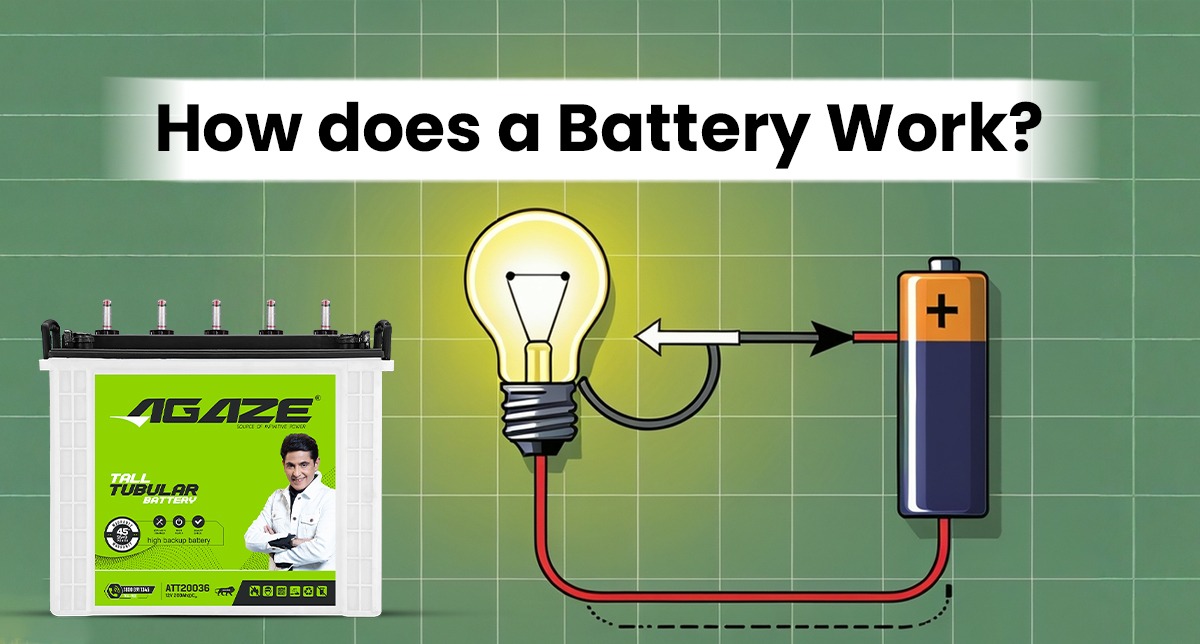
How does a Battery Work

Batteries are the backbone of contemporary living. Energizing domestic appliances during blackouts, they provide seamless power when we need it the most. At Sarex Batteries, we design high-performance inverter and tubular batteries based on cutting-edge technology coupled with long-lasting strength. But before we actually see the advantages of our offerings, let’s explore deeper into the science behind how precisely a battery functions.

The Science behind a Battery

A battery is an electrochemical device that translates chemical energy into electrical energy. This is done internally within the individual units of the battery termed cells. There are three basic elements to every cell:

Anode (Negative Plate): The electrode where oxidation occurs. It gives out electrons to the external circuit.

Cathode (Positive Plate): The electrode where reduction occurs. It takes in electrons and makes the circuit complete.

Electrolyte: A fluid (liquid, gel, or solid) medium through which ions can travel between the electrodes without direct contact.

When a device or appliance is connected to the battery, there is a chemical reaction. The flow of electrons is from the anode to the cathode through the external circuit, and an electric current is generated, powering the device. Meanwhile, ions move through the electrolyte, maintaining electrical balance.

Step-by-Step Process: How a Battery Works

Discharge (Power Supplying):

In the discharge state, the anode is oxidized and loses electrons. The electrons travel via wires and power devices such as fans, light bulbs, or inverters. Positive ions move via the electrolyte in the direction of the cathode, sustaining the flow.

Recharge (For Rechargeable Batteries):

Rechargeable batteries like Sarex batteries are designed for a multiple charge-discharge cycle. Plugged into a charger, electricity is forced back into the battery. This restores the original electrochemical reaction, forcing electrons back to the anode and re-establishing the original chemical composition.

The battery is thus restored to its complete ability for reuse.

Types of Batteries

Batteries can be classified into two broad categories:

  1. Primary Batteries (Non-Rechargeable)

These are throwaway batteries like AA, AAA, or coin cells. They are especially designed to be used once and cannot be recharged after they are spent. Typically used in clocks, remotes, and toys.

  1. Secondary Batteries (Rechargeable)

They are charged and discharged several times. Sarex deals in secondary batteries and tubular inverter batteries that are famous for longer lifespans, deep cycling, and higher reliability.

Key Components in Sarex Batteries

Sarex Batteries are designed with utmost care using the best quality material that provides improved performance. Some of the key elements are:

  • High-Purity Active Materials: Improve charge acceptance and cycle life.
  • Strong Lead Grids: Deliver structural stability and corrosion resistance.
  • Optimized Electrolyte Composition: Facilitates uniform chemical reactions for dependable operation.
  • Stepped-up Plate Design: Enables deep cycle design, making Sarex batteries perfect for inverters.

Why Batteries Are A Must

Batteries are more than a convenience – they are an essential in today’s energy-thirsty world. Their necessity can be observed in:

  1. Uninterrupted Power Supply: In blackouts or load-shedding, inverter batteries ensure homes and businesses continue to function.
  1. Mobility: The dependency of vehicles, e-rickshaws, and even electric vehicles are likely to be upon batteries with high performance.
  1. Industrial Use: Batteries are critical in telecom towers, data centers, and manufacturing units where there cannot be any downtime.
  1. Daily Essentials: From the needs of daily life such as using laptops to smartphones, portable batteries drive it with ease.

Sarex Batteries in Action

Sarex Batteries keep the Indian household and industry in mind. Regular power cuts and heavy energy consumption call for products that are long-lasting, efficient, and rugged. Here’s how our batteries stand out:

Inverter Batteries: Offers uninterrupted backup during power out, making your home more comfortable and productive.

Tubular Technology: Sarex tubular batteries with its design of deep discharge cycles allows better performance and longer lifespan than traditional flat plate batteries.

Conclusion
A battery converts chemical reactions into useful electricity – a straightforward principle with infinite uses. Lighting up homes through power outages, batteries continue to be at the heart of contemporary life. At Sarex Batteries, we merge this science with cutting-edge engineering to provide products that are dependable, long-lasting, and future-proof.

How Sarex Batteries Enable Longer Backup During Frequent Power Outages

Power You Can Rely On When You Need It Most

Frequent power outages are still a norm in most regions of India—particularly during monsoons and summers. Be it a rural household or a city apartment, one thing is for sure: the necessity of continuous power supply. That’s when Sarex Inverter Batteries become the quiet power of your house. 

Sarex inverter batteries achieve longer backup times due to their high-capacity design and efficient power delivery, enabling them to handle deeper discharges and maintain consistent output for extended periods during power outages. They achieve this through optimized material science, durable construction, and compatibility with smart charging systems. 

How do Sarex batteries offer longer backup time, though? Let’s examine it.

  1. Constructed with Tubular Technology for Deep Discharge Cycles

At the core of every Sarex battery is tubular plate technology. In contrast to flat plate batteries, tubular batteries possess thicker, more robust positive plates that enable deeper levels of discharge without battery damage, longer lifespan even after regular usage, and improved efficiency in power storage.

This implies that even in extended or recurring outages, Sarex batteries can provide steady backup without quick depletion.

  1. High Electrolyte Volume for Extended Runtime

Sarex batteries are constructed with plenty of electrolyte volume, which aids in decreasing heat generation, also enables longer discharges, and reduces frequent water topping requirements.

This translates into longer backup times directly, which is very useful in areas where 3–5 hours of daily power cut is regular.

  1. Low Self-Discharge = More Power When Needed

One of the familiar issues with traditional batteries is self-discharge—losing power even when idle. Sarex inverter batteries are designed with low self-discharge characteristics, ensuring:

  • Stored energy is conserved for extended periods
  • You achieve optimum output even after periods of inactivity
  • Power delivery optimized when you need it the most

So, even if there’s a power disruption suddenly after days of low consumption, Sarex batteries are prepared to deliver.

  1. Designed for Indian Power Conditions

From torrential summer heat to errant voltage surges, Indian homes require batteries that can keep up with local challenges. Sarex batteries are:

  • Thermal-proof to maintain performance in extreme heat
  • Voltage-resistant for all weather conditions
  • Protected by rugged outer casings for safety and long life

This way, the battery’s performance remains stable—even in regions plagued by unstable grid supply.

  1. Quick Recharge Technology

Frequent power outages and switches off regularly leave batteries with little time to charge themselves before the next switch off. Sarex remedies that with

  • Fast charging capability
  • High charge acceptance
  • Effective energy uptake in brief uptime windows

With Sarex, you don’t have to spend hours of charging time getting ready for the next cut—only a brief uptime and you’re recharged again.

  1. Multiple Backup Ranges Available

Sarex realizes that each home has varying power requirements. That’s why it provides batteries in various capacities, from 100Ah to 220Ah, to accommodate small apartments up to large houses. It is available in tall tubular and short tubular variants, compliant with all leading inverter brands

Whether to power only fans and lights or even a fridge and Wi-Fi router, Sarex has the battery for you.

Conclusion: Power That Lasts, Trust That Grows

In a nation where power reliability is usually out of your control, your battery should be something you can rely on. Sarex Inverter Batteries provide just that—longer backup during cuts in power, quicker charging, and unparalleled durability.

Whether it’s a top tier city or small towns, thousands of Indian homes rely on Sarex to keep the lights burning bright and the essentials functioning. It’s not about backup—it’s about consistent peace of mind.

Is Your Inverter Battery Draining Too Fast? Here’s What You Need to Know

In many parts of India, especially during peak summer or monsoon months, power cuts are still a common issue. That’s why most households and small businesses rely heavily on inverter systems. But what happens when your inverter battery — the very heart of your backup system — starts draining faster than it should?

At Sarex, a trusted tubular battery supplier in UP, we understand how frustrating this issue can be. In this blog, we’ll break down the possible reasons why your tubular inverter battery is draining too fast and how to fix or prevent it.

Common Reasons Why Your Inverter Battery Drains Quickly

1. Overloading the Inverter

One of the most common causes of fast battery drainage is connecting more appliances than your inverter is designed to handle. Running heavy-duty devices like refrigerators, washing machines, or air conditioners can put an unnecessary load on the battery, draining it much faster.

Tip: Always check your inverter’s VA rating and connect only essential appliances.

2. Low Battery Capacity

If the battery’s AH (Ampere-Hour) rating is not suited to your power needs, it will naturally drain quicker. A low-capacity battery may be unable to sustain your usage during longer power outages.

Solution: Upgrade to a higher capacity tubular battery from Sarex, which is designed for deep discharging and long backup.

3. Battery Age and Condition

All batteries degrade over time. If your battery is older than 3–5 years, chances are it’s losing its charge-holding capacity.

What to do: Have the battery tested by a technician. If the voltage or charge retention is below optimal levels, consider replacing it with a new Sarex tubular battery.

4. Improper Charging or Defective Inverter

A faulty inverter may overcharge or undercharge your battery, leading to poor performance. Similarly, irregular voltage from the grid can affect battery charging cycles.

Fix: Get your inverter checked for charging voltage consistency. Sarex batteries work best when paired with inverters calibrated to match their specs.

5. Poor Maintenance

Corroded terminals, loose connections, or dry cells in unsealed batteries can reduce efficiency.

Maintenance Tip:

Clean terminals regularly.

Top up water levels (if your battery is not maintenance-free).

Keep the battery in a well-ventilated and dry location.

Avoid deep discharges.

Why Choose Sarex Tubular Batteries?

Sarex is known for manufacturing high-quality tubular batteries that are ideal for Indian conditions — hot summers, frequent power cuts, and long backup needs.

Here’s what makes Sarex tubular batteries reliable:

Deep cycle design for long backup

Longer life span compared to flat-plate batteries

Low maintenance with strong durability

Quick recharge for better uptime

Ideal for homes, offices, and shops in UP

When paired with proper usage and maintenance, a Sarex battery can offer dependable performance for years.

Final Thoughts

If your inverter battery is draining too fast, don’t ignore it — it’s often a sign that something isn’t right. Whether it’s an overload issue, poor maintenance, or an outdated battery, taking timely action can save you from longer outages and costly replacements.

Switch to Sarex tubular batteries, the trusted supplier in UP, and experience long-lasting power backup that keeps your life running — even when the lights go out.

Need help choosing the right battery? Contact Sarex today and get expert guidance on powering your home or business the smart way.

How Temperature Affects Your Inverter Battery’s Performance | Sarex Battery

When it comes to inverter batteries, most people focus on capacity, brand, or backup time. However, one crucial factor often overlooked is temperature. Whether you live in a region with extreme summers or cold winters, temperature plays a major role in your inverter battery’s health, efficiency, and lifespan. At Sarex Battery, a trusted inverter battery manufacturer, we believe it’s important to educate users on how to protect their investment by understanding temperature effects.

Impact of High Temperatures on Inverter Batteries

Heat can be a silent killer for inverter batteries. While it’s true that batteries may perform slightly better in warmer conditions, excessive heat accelerates internal chemical reactions, leading to faster battery degradation. Over time, high temperatures can cause:

Water loss in flooded lead-acid batteries

Plate corrosion

Reduced battery life

Increased chances of battery swelling or leakage

High ambient temperatures can also increase the risk of overcharging, especially if the charger is not temperature-compensated. Overcharging further damages the battery plates, shortening battery life significantly. As a leading inverter battery manufacturer, Sarex Battery designs products that are heat-resistant to some extent, but no battery is completely immune to extreme heat. We always recommend installing your inverter battery in a cool, ventilated area to avoid unnecessary strain.

Impact of Low Temperatures on Inverter Batteries

Cold temperatures, on the other hand, slow down chemical reactions inside the battery. This reduces the battery’s efficiency and makes it harder for the battery to deliver power when needed. You may notice that during winters:

Battery backup time reduces

Charging takes longer

Batteries require higher current to deliver the same performance

Risk of freezing in poorly maintained batteries

When the electrolyte inside a battery freezes, it can expand and cause permanent internal damage. Therefore, protection from extreme cold is just as important. At Sarex Battery, we engineer our batteries to handle seasonal changes, but for maximum performance, placement and maintenance are key. As an experienced inverter battery manufacturer, we suggest keeping the inverter system indoors during harsh winters to ensure smoother performance.

Tips to Minimize Temperature Damage

Here are a few simple steps you can take:

Always install the battery in a shaded, ventilated space.

Avoid keeping the battery close to direct sunlight, heaters, or other heat sources.

During winters, ensure the battery area remains slightly warm and dry.

Regularly check water levels and top-up with distilled water if needed (for lead-acid batteries).

Use temperature-compensated chargers wherever possible for optimal charging.

Choosing a high-quality battery from a reputed inverter battery manufacturer like Sarex Battery can also make a huge difference. Our batteries are built with premium-grade materials and advanced technology to resist temperature-related damage better than most conventional options.

Final Thoughts

Temperature can significantly influence your inverter battery’s efficiency, backup time, and overall lifespan. By understanding these effects and taking simple preventive measures, you can extend the life of your battery and ensure reliable performance throughout the year.Looking for a battery that performs strongly in all seasons? Trust Sarex Battery, the preferred inverter battery manufacturer for thousands of homes and businesses.

Inverter Battery Charging Myths That Are Draining Your Power (and Your Wallet!)

When it comes to keeping your inverter battery in top condition, proper charging is key. However, many homeowners unknowingly follow misleading advice that shortens battery life, reduces efficiency, and increases replacement costs. If you’ve ever wondered why your battery isn’t performing as expected, you might be falling for common charging myths.

At Sarex, we believe in providing the right information to help users get the best out of their inverter systems. In this blog, we will debunk popular myths about inverter battery charging and help you make smarter decisions.

Myth 1: Any Charger Can Be Used to Charge an Inverter Battery

One of the biggest misconceptions is that all battery chargers work the same way. Using an incompatible charger can overcharge or undercharge the battery, leading to poor performance and a shorter lifespan. Each battery type has a specific charging requirement, and using the wrong charger can result in irreversible damage.

It’s important to match your battery with the right charger to ensure it gets optimal power without stress or heat buildup.

Myth 2: Keeping the Battery Plugged in All the Time Improves Performance

Some users believe that keeping their inverter battery plugged into the charger 24/7 will maintain full charge and prevent power loss. However, continuous charging can cause overheating, electrolyte loss, and plate damage.

Most modern inverters have built-in charge controllers that regulate power input, but older models may overcharge the battery if left plugged in constantly. Always ensure your inverter has an automatic cutoff feature to prevent unnecessary damage.

Myth 3: Fast Charging is Better for an Inverter Battery

Fast charging might sound convenient, but it puts excessive stress on battery cells, leading to rapid wear and tear. Batteries are designed to charge at a specific rate, and exceeding this rate can cause overheating, reduced capacity, and long-term damage.

Instead of rushing the charging process, allow the battery to charge at its recommended rate to ensure maximum efficiency and longevity.

Myth 4: You Should Fully Drain Your Battery Before Recharging

Some users believe that completely discharging an inverter battery before recharging helps maintain its health. This practice, however, is extremely harmful, especially for lead-acid batteries.

Deep discharges can cause sulfation, where lead sulfate crystals build up on battery plates, reducing the battery’s ability to hold charge. To extend battery life, recharge when power levels drop to 40-50% instead of allowing a full discharge.

Myth 5: All Inverter Batteries Have the Same Charging Needs

Different Types of Inverter Batteries have different charging requirements. Whether you use lead-acid, tubular, gel, or lithium-ion batteries, each requires a specific voltage, charging time, and maintenance routine.

For example:

  • Tubular batteries need longer charging cycles for deep charge retention.
  • Gel batteries require a lower charging voltage to prevent damage.
  • Lithium-ion batteries have fast-charging capabilities but need precise current regulation.

Knowing the correct charging settings for your battery type ensures better performance and extended life.

Myth 6: Adding More Water to a Lead-Acid Battery Improves Charging

For lead-acid batteries, maintaining the correct water level is crucial. However, some users believe that adding excessive water can improve battery performance.

In reality, overfilling the battery dilutes the electrolyte solution, reducing charging efficiency and causing acid overflow. Only use distilled water and refill up to the recommended level to prevent damage.

Conclusion

Believing in inverter battery charging myths can lead to poor performance, reduced efficiency, and costly replacements. By understanding the truth about charging practices, you can ensure that your battery delivers long-lasting and reliable backup power.

Since different Types of Inverter Batteries require unique care, always follow manufacturer recommendations to keep your power backup system running smoothly. At Sarex, we help customers make informed decisions about inverter battery maintenance, ensuring efficiency and longevity.

Ensure seamless power with Sarex Inverter Batteries! Proper care and maintenance are key to longevity. Trust Sarex for expert guidance and reliable performance. Choose Sarex today and keep your power backup system running efficiently!

Depth of Discharge: How It Impacts Your Inverter Battery Performance

Hi there! If you rely on inverters to keep the lights on during power outages, then you know how essential it is to have a reliable inverter battery. However, there’s one thing that often gets overlooked when maintaining these batteries—Depth of Discharge (DoD). In this article, we’ll explore what DoD is, why it matters, and how it affects the overall lifespan and performance of your inverter battery. As a trusted Inverter Battery Manufacturer, Sarex Batteries is here to help you understand the key to maximizing your battery’s potential.

What is Depth of Discharge (DoD)?

Simply put, Depth of Discharge refers to how much energy you drain from your inverter battery before recharging it. It’s usually expressed as a percentage. For example, if you use 50% of the total battery capacity, the DoD is 50%. The higher the percentage of discharge, the more deeply the battery has been drained before recharging.

Knowing your battery’s DoD is crucial because each battery type—whether it’s lead-acid, lithium-ion, or tubular—comes with specific recommendations on how much you can discharge without affecting its longevity.

Why Does Depth of Discharge Matter?

The performance and lifespan of an inverter battery depend heavily on how much of the battery’s energy is used regularly. Here’s how DoD impacts battery performance:

  1. Longevity
    A higher DoD means the battery is being drained more frequently, which reduces the number of charge cycles it can complete over its lifespan. If your battery is frequently discharged beyond the recommended DoD, its lifespan could shorten significantly.
  2. Battery Health
    Over-discharging your battery can lead to sulfation (for lead-acid batteries) or permanent capacity loss (for lithium-ion batteries). Regularly exceeding the recommended DoD can damage your battery, leading to poor performance and the need for a replacement sooner than expected.
  3. Efficiency and Backup Time
    Maintaining the right DoD ensures your battery operates at optimal efficiency. If you drain the battery too deeply, it may struggle to recharge fully, resulting in reduced backup time during outages.

How Can You Manage Depth of Discharge?

Here are a few tips to keep your battery in great condition:

  • Monitor Usage: Keep an eye on your energy consumption and avoid unnecessary discharges.
  • Charge Timely: Recharge your battery before it dips below the recommended DoD. Most batteries come with manufacturer guidelines—stick to them!
  • Use Smart Appliances: Optimize the load on your inverter by using energy-efficient appliances during outages. This reduces the discharge rate and extends the battery’s life.

At Sarex Batteries, we provide high-quality batteries designed to perform even under challenging conditions. As a leading Inverter Battery Manufacturer, we ensure our products meet the highest standards of durability and reliability, giving you the best backup power experience.

Why Choose Sarex Batteries?

When it comes to reliable inverter batteries, Sarex Batteries stands out. Our batteries are built with cutting-edge technology to withstand frequent use while delivering long backup hours. Plus, we make it easy for customers to follow best practices, like managing the Depth of Discharge, to get the most out of their batteries.

Conclusion

Understanding Depth of Discharge is key to maintaining your inverter battery and ensuring it delivers peak performance over time. Whether you’re using your inverter for home or business, managing DoD helps extend the battery’s life and keeps your system running smoothly.

If you’re looking for a dependable Inverter Battery Manufacturer, look no further than Sarex Batteries. With our products, you get the perfect combination of performance, durability, and peace of mind. Choose Sarex Batteries today—because smart maintenance starts with the right battery!

Understanding Voltage, Current, and Resistance: The Basics of Electricity

Electricity powers our everyday lives, from the devices we use to the lights that brighten our homes. Understanding basic concepts like voltage, current, and resistance is essential for everyone, especially for those interested in energy solutions. As a leading Inverter Battery Manufacturer, Sarex aims to simplify these principles to help you make informed choices about your energy needs.

What is Voltage?

Voltage, often called electrical potential difference, is the force that pushes electric charges through a circuit. It’s measured in volts (V) and can be likened to water pressure in a hose; just as higher water pressure pushes more water through, higher voltage drives more electric charge. 

For inverter batteries, voltage is crucial. Each battery is designed to operate at specific voltage levels to work efficiently with inverters. Knowing about voltage helps ensure you choose compatible products, optimizing performance for your home or business.

What is Current?

Current is the flow of electric charge in a circuit, measured in amperes (A). Imagine it as the amount of water flowing through a pipe; the more water flowing per second, the higher the current. 

Understanding current is essential when considering how much power you can draw from your inverter battery at any moment. Recognizing the balance between voltage and current helps you use your energy resources wisely.

What is Resistance?

Resistance is the opposition to the flow of electric current, measured in ohms (Ω). Think of it as friction that slows down electricity. Different materials resist electricity differently; for example, metals like copper have low resistance, while rubber has high resistance.

Inverter batteries are designed to minimize resistance to maximize efficiency. Knowing about resistance helps you understand how to choose a battery that delivers reliable power when you need it most.

The Relationship Between Voltage, Current, and Resistance

The connection between voltage, current, and resistance is outlined by Ohm’s Law, which states:

V = I × R

Where:

– (V) is voltage

– (I) is current

– (R) is resistance

This equation shows that voltage equals the product of current and resistance. For instance, increasing resistance while keeping voltage constant will reduce current. Understanding this relationship can help you choose the right battery for your needs.

Why This Knowledge Matters for You

Understanding these electrical principles is valuable for several reasons:

1. Informed Decisions: Knowing the voltage requirements of inverter batteries helps you select the right products, ensuring compatibility and efficiency.

2. Battery Management: Understanding current and resistance can help you monitor the performance and health of your battery, extending its lifespan.

3. Safety Awareness: Familiarity with these concepts enhances your safety when using electrical devices, minimizing the risk of accidents.

Conclusion

Grasping the basics of electricity—voltage, current, and resistance—is vital for anyone interested in energy solutions. As an Inverter Battery Manufacturer, Sarex is committed to providing high-quality batteries tailored to meet your energy needs. By understanding these fundamental concepts, you can make informed choices, optimize your energy usage, and enhance your overall efficiency.

Are you looking for reliable inverter batteries for your home or business? Contact Sarex Battery today to explore our range of high-quality batteries designed to meet your power needs efficiently. Don’t compromise on power reliability—reach out to us now!