What leads to inverter battery failures

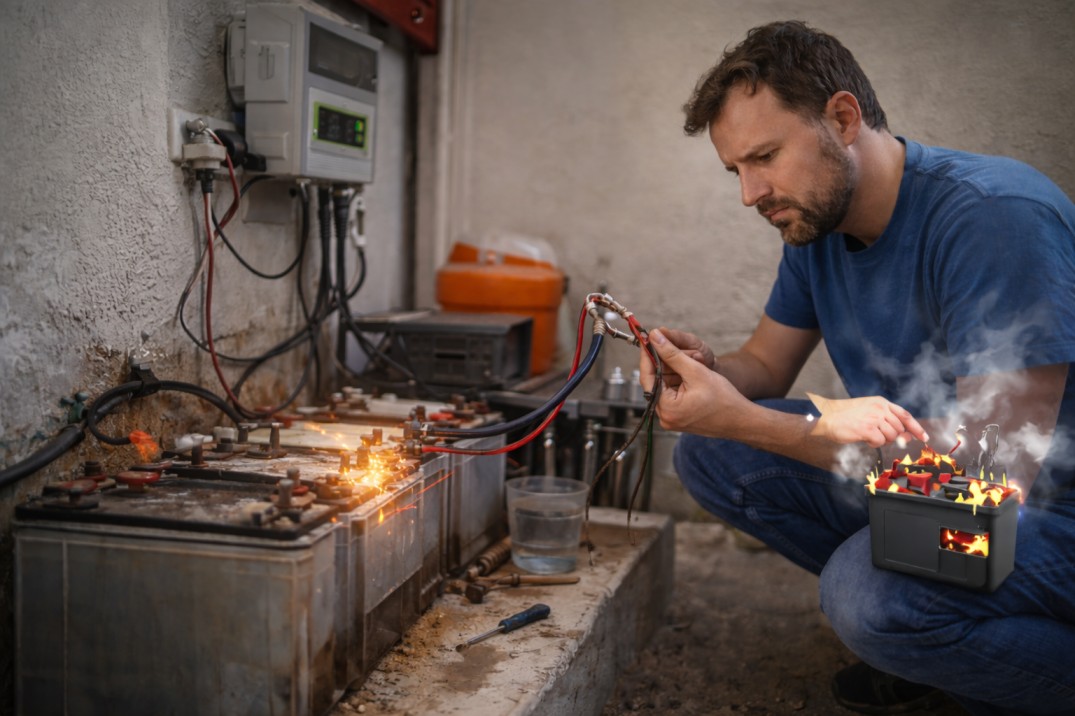
Inverter batteries keep life moving when power goes off. Lights stay on. Fans keep running. Phones get charged. But when an inverter battery fails early, everything feels stuck. Most people blame the battery itself. In reality, small choices and daily habits play a bigger role than expected. In this blog by Sarex, one of the renowned Battery Manufacturers in India, we will understand the reasons that lead to inverter battery failure.

1. Improper battery selection

Choosing the wrong inverter battery is very common. Homes do not use power in the same way. A small battery forced to handle heavy load works under pressure all day. It heats up, drains faster, and wears out early. Before buying, usage must be calculated properly. This step saves money and avoids trouble later. Most experienced Battery Manufacturers in India stress this point again and again.

2. Poor installation practices

Loose wires and wrong settings create silent problems. A slightly wrong connection can cause heat buildup without anyone noticing. Heat does not help performance. It slowly damages the inverter battery from inside. Incorrect inverter settings also push batteries beyond safe limits. Installation should always be done by trained hands. Rules exist for a reason, and ignoring them shortens battery life quickly.

3. Lack of regular maintenance

Lead acid inverter batteries need care. Water levels drop with use. When water is not topped up, or dirty water is added, damage starts. Rust on terminals is another warning sign people ignore. Many failures come from missed maintenance, not from poor design. As one of the reliable battery manufacturers in India, Sarex offers low maintenance batteries that last long.

4. Deep discharging and frequent power cuts

When an inverter battery drains too deeply again and again, its internal parts weaken. Long power cuts add extra stress. Repeated deep discharge shortens battery life. Batteries made for long backup handle this better. Choosing the right inverter battery type helps manage such conditions more safely.

5. Poor ventilation and high temperature

Heat is an inverter battery’s enemy. When batteries sit in closed spaces with no airflow, temperature rises fast. Water evaporates. Plates inside get damaged quietly. Proper ventilation keeps batteries cooler and healthier. 

6. Overcharging or undercharging

Wrong charging patterns damage batteries silently. Overcharging dries out the battery. Undercharging causes deposits that block proper reactions. Both conditions reduce life. Correct inverter settings and proper charging cycles matter more than people think.

7. Low quality or fake products

Cheap and fake batteries flood the market. They fail early and cause frustration. Buying from a trusted name reduces this risk. Sarex stands behind genuine products, tested parts, and quality checks. This is why Sarex is known as one of the trusted battery manufacturers in India.

Frequently Asked Questions

Q.How long should an inverter battery last
With proper use and care, an inverter battery can last several years. Usage pattern and placement matter a lot.

Q. How often should battery water levels be checked
Every two to three months for lead acid batteries. Always use distilled water.

Q. Can battery life be improved during frequent power cuts
Yes. Reduce heavy load and ensure good airflow. Choosing the right battery design also helps.

Q. Is a maintenance free battery better
It is convenient, but may not suit long backup needs. Always check usage before deciding.

Why pick Sarex

At Sarex, batteries are built for real conditions, not ideal ones. Focus stays on long life, steady backup, and practical performance. Each unit reflects the care expected from one of the reliable battery manufacturers in India. Looking for inverter batteries that last and perform when power matters most? Choose Sarex for dependable backup and everyday peace of mind.
Get in touch to find the right battery for your needs.

How Load Planning Matters More Than Battery Capacity in Indian Homes

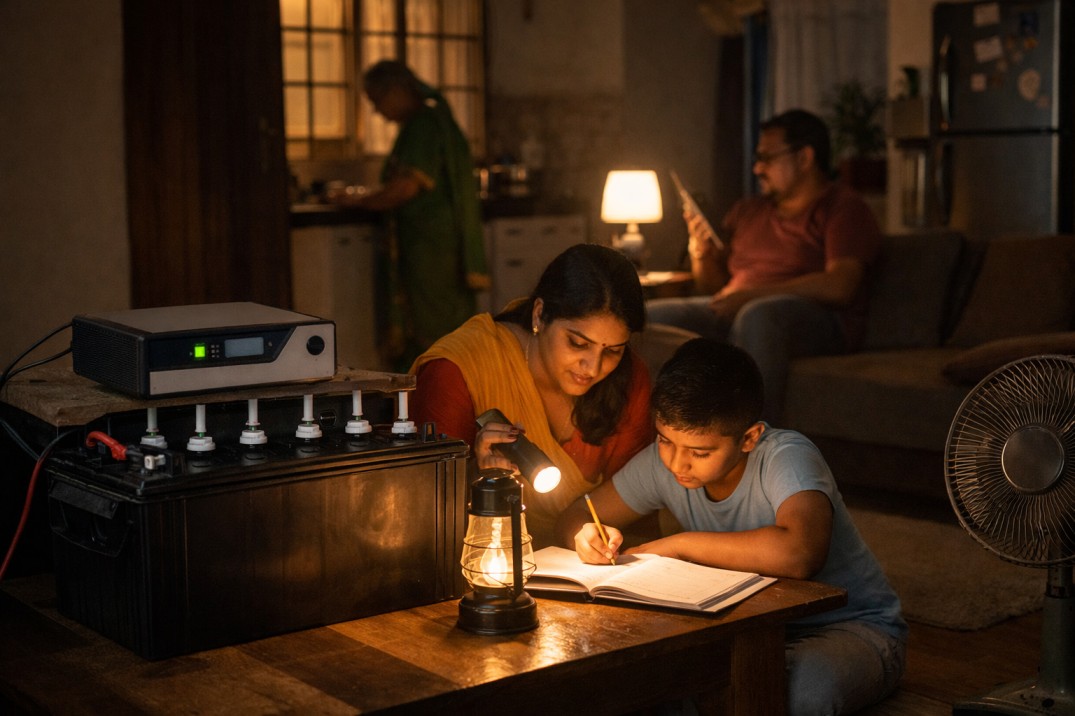
In Indian homes, power backup decisions often begin and end with one question: How big should the battery be? Capacity receives attention. Load planning is often overlooked, despite having a greater impact on real-world battery performance. Battery performance depends far more on how electricity is consumed than how much energy is stored. This reality becomes clear when observed through the experience of established Battery Manufacturers in India, like Sarex

In this blog, let’s understand how load planning matters more than battery capacity for Indian conditions.

Why Capacity Alone Does Not Guarantee Performance

Battery capacity defines how much energy a battery can store. However, it does not control how that energy gets used. In many households, multiple appliances run simultaneously without planning. Consequently, sudden load spikes stress the system.

Even a high-capacity battery underperforms when load distribution remains unmanaged. Therefore, users experience faster discharge, reduced backup time, and premature wear. This outcome reflects usage behavior, not battery quality.

Load Planning Reflects Real Household Behavior

Load planning means understanding which appliances must run during power cuts and which can wait, especially when managing inverter load planning in Indian homes. However, many homes connect all devices indiscriminately. As a result, batteries face unnecessary stress.

When households prioritize essential loads, battery output stabilizes. Moreover, discharge cycles remain controlled. Battery Manufacturers in India consistently observe that well-planned loads extend battery life regardless of capacity size.

For example: In a typical Indian 2BHK home, essential loads like ceiling fans, lights, a refrigerator, and a Wi-Fi router create a backup demand that’s easy to manage.

Indian Power Conditions Amplify the Impact of Poor Planning

Indian power supply fluctuates frequently. Voltage instability adds pressure during charging cycles. Therefore, unmanaged loads compound the problem.

When heavy appliances activate during outages, batteries experience rapid discharge. Consequently, efficiency drops. On the other hand, structured load planning balances draw across circuits. This balance protects internal components and preserves usable capacity.

Why Battery Manufacturers in India Emphasize Usage Discipline

Experienced Battery Manufacturers in India design products to withstand local conditions. Still, even the best engineering requires responsible usage.

Sarex Batteries focuses on reliability under real household conditions. However, performance improves significantly when users pair capacity with planning. Controlled loads reduce internal heating. Charging efficiency improves. Battery health remains consistent over time.

Smaller Capacity, Smarter Planning, Better Results

Interestingly, homes with moderate battery capacity but disciplined load planning often outperform larger systems with unmanaged usage, highlighting the difference between battery capacity vs actual load usage. This outcome surprises many users.

Load planning optimizes energy flow. As a result, batteries deliver stable backup for longer periods. Therefore, informed usage consistently outperforms brute capacity expansion.

Conclusion: Performance Begins Before the Battery

In Indian homes, battery performance begins with planning, not purchasing. Capacity matters, but load management matters more. Battery Manufacturers in India recognize that reliability emerges from alignment between technology and behavior.

Sarex Batteries supports this approach by delivering dependable solutions designed for Indian conditions. When households combine smart load planning with quality batteries, power backup becomes predictable because performance starts before the battery is switched on.

Learn how Sarex Batteries designs reliable inverter solutions that perform consistently under real Indian household usage conditions.

FAQs

Q1. Why does load planning matter more than battery capacity?

Because unmanaged loads cause faster discharges and reduce efficiency.

Q2. Do Battery Manufacturers in India recommend load prioritization?

Yes. Most emphasize usage, discipline, alongside capacity selection.

Q3. How does Sarex Batteries support household reliability?

Sarex designs batteries for Indian conditions and promotes informed usage practices.