A tubular battery usually does not fail in one day. Most of the time, it gives small signs first. Backup becomes shorter. Water level drops faster. The inverter takes longer to charge. Sometimes the battery heats up. People ignore these signs until one power cut comes and the battery gives up much earlier than expected.
Then the blame goes to the battery. But in many cases, the real issue is maintenance.
Even a good tubular battery can lose life early if it is not handled properly. That is why buying from a Trusted tubular battery supplier like Sarex matters, but after buying, basic care also matters.
Not checking water level on time
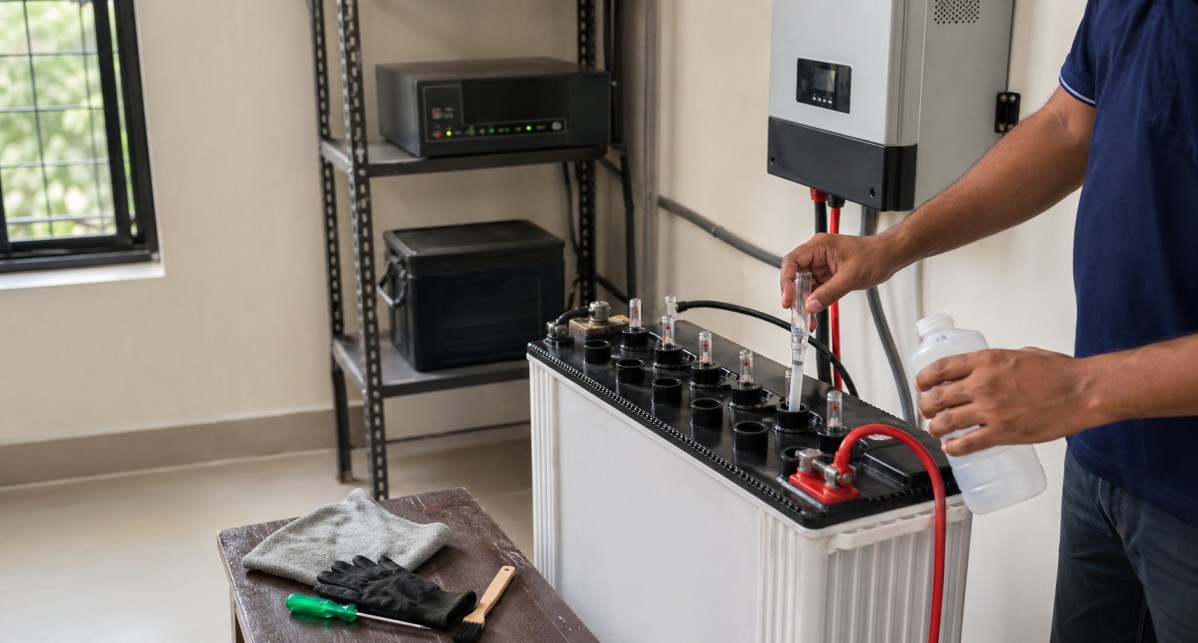
This is the most common mistake. Tubular batteries need proper distilled water level. If the water level goes too low, plates get exposed, heating increases, and battery life starts reducing. Many users check water only when backup drops. By then, damage may have already started.
The right way is simple. Check the water level regularly, especially in summer or in areas with frequent power cuts. Use only distilled water. Do not use tap water, RO water, or any local “battery water” unless it is proper distilled water.
Wrong water slowly damages the battery from inside.
Keeping the battery in a hot corner
Heat is bad for battery life. Many people keep inverter batteries under stairs, inside closed cabinets, near kitchen walls, or in tight corners with no airflow. The battery may work there, but heat builds up. During charging, the battery already gets warm. If ventilation is poor, the temperature stays high for longer.
That reduces backup life.
Keep the battery in a clean, dry, ventilated place. Not in direct sunlight. Not where water can fall. Not packed tightly against walls. A little breathing space around the battery helps more than people think.
Overloading the inverter
This is another regular problem. The battery is meant to support a certain load. But slowly people keep adding more things: extra fans, LED lights, Wi-Fi router, TV, CCTV, sometimes even a computer or printer. The inverter keeps running somehow, so nobody checks the load.
But the battery gets drained faster and deeper.
Deep discharge again and again weakens the battery. If your backup time has reduced after adding more appliances, the battery may not be the only issue. The load may be too high for the setup.
Before blaming the battery, check what is connected to the inverter.
Ignoring loose terminals and corrosion
Loose connections create heating and charging problems. If terminals are loose, dirty, or corroded, current flow is affected. The inverter may not charge the battery properly. Backup may feel weak even when the battery itself is not fully bad.
Many users do not open the battery area for months. Dust, corrosion, and loose wires keep building up.
Terminals should be checked and cleaned from time to time. If there is white or greenish deposit around terminals, get it cleaned safely by a technician. Do not keep using the battery with bad connections.
Letting the battery stay discharged
After a long power cut, the battery should get enough time to recharge. But in some places, power cuts happen again and again. Battery discharges, gets half-charged, then discharges again. This is hard on any lead-acid battery.
If the battery stays discharged for long periods, sulphation can increase. Once sulphation builds up, backup performance starts dropping.
Try not to leave the battery discharged for too long. If backup keeps falling even after full charging time, get the battery and inverter checked.
Using the wrong inverter or charger settings
A tubular battery needs proper charging. If the inverter is too old, charging current is wrong, or settings do not match the battery capacity, the battery may either remain undercharged or get overcharged. Both are bad.
Undercharging leads to poor backup and sulphation. Overcharging increases water loss and heating.
This is why it is better to buy from a Trusted tubular battery supplier who can guide you on battery size, inverter compatibility, and usage. Sarex focuses on practical power backup needs, but correct installation is still important.
Final thoughts
A tubular battery gives good life when it is used properly. Most backup problems come from small mistakes: low water level, heat, overload, loose terminals, poor charging, and ignoring early signs. These things look minor, but they slowly reduce battery life.If you want steady backup from your inverter battery, do not just buy and forget it. Check it regularly. Keep it ventilated. Avoid overloading. Use proper distilled water. And choose a Trusted tubular battery supplier like Sarex, so you start with the right battery and proper guidance from day one.