Tubular Battery Maintenance Mistakes That Reduce Backup Life

A tubular battery usually does not fail in one day. Most of the time, it gives small signs first. Backup becomes shorter. Water level drops faster. The inverter takes longer to charge. Sometimes the battery heats up. People ignore these signs until one power cut comes and the battery gives up much earlier than expected.

Then the blame goes to the battery. But in many cases, the real issue is maintenance.

Even a good tubular battery can lose life early if it is not handled properly. That is why buying from a Trusted tubular battery supplier like Sarex matters, but after buying, basic care also matters.

Not checking water level on time

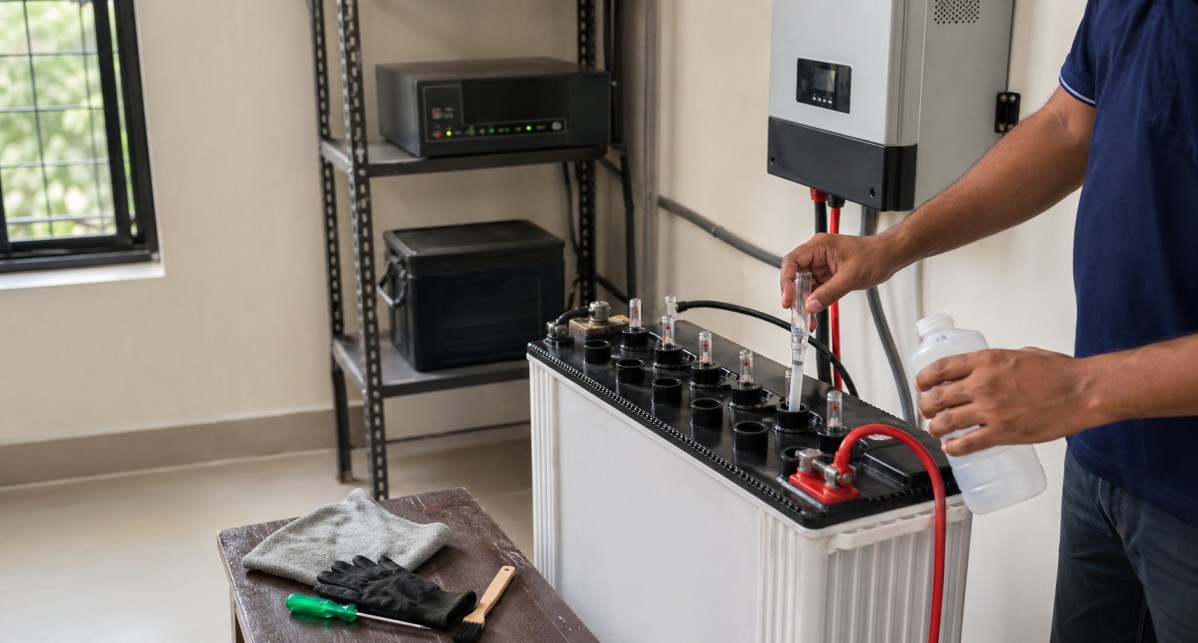
This is the most common mistake. Tubular batteries need proper distilled water level. If the water level goes too low, plates get exposed, heating increases, and battery life starts reducing. Many users check water only when backup drops. By then, damage may have already started.

The right way is simple. Check the water level regularly, especially in summer or in areas with frequent power cuts. Use only distilled water. Do not use tap water, RO water, or any local “battery water” unless it is proper distilled water.

Wrong water slowly damages the battery from inside.

Keeping the battery in a hot corner

Heat is bad for battery life. Many people keep inverter batteries under stairs, inside closed cabinets, near kitchen walls, or in tight corners with no airflow. The battery may work there, but heat builds up. During charging, the battery already gets warm. If ventilation is poor, the temperature stays high for longer.

That reduces backup life.

Keep the battery in a clean, dry, ventilated place. Not in direct sunlight. Not where water can fall. Not packed tightly against walls. A little breathing space around the battery helps more than people think.

Overloading the inverter

This is another regular problem. The battery is meant to support a certain load. But slowly people keep adding more things: extra fans, LED lights, Wi-Fi router, TV, CCTV, sometimes even a computer or printer. The inverter keeps running somehow, so nobody checks the load.

But the battery gets drained faster and deeper.

Deep discharge again and again weakens the battery. If your backup time has reduced after adding more appliances, the battery may not be the only issue. The load may be too high for the setup.

Before blaming the battery, check what is connected to the inverter.

Ignoring loose terminals and corrosion

Loose connections create heating and charging problems. If terminals are loose, dirty, or corroded, current flow is affected. The inverter may not charge the battery properly. Backup may feel weak even when the battery itself is not fully bad.

Many users do not open the battery area for months. Dust, corrosion, and loose wires keep building up.

Terminals should be checked and cleaned from time to time. If there is white or greenish deposit around terminals, get it cleaned safely by a technician. Do not keep using the battery with bad connections.

Letting the battery stay discharged

After a long power cut, the battery should get enough time to recharge. But in some places, power cuts happen again and again. Battery discharges, gets half-charged, then discharges again. This is hard on any lead-acid battery.

If the battery stays discharged for long periods, sulphation can increase. Once sulphation builds up, backup performance starts dropping.

Try not to leave the battery discharged for too long. If backup keeps falling even after full charging time, get the battery and inverter checked.

Using the wrong inverter or charger settings

A tubular battery needs proper charging. If the inverter is too old, charging current is wrong, or settings do not match the battery capacity, the battery may either remain undercharged or get overcharged. Both are bad.

Undercharging leads to poor backup and sulphation. Overcharging increases water loss and heating.

This is why it is better to buy from a Trusted tubular battery supplier who can guide you on battery size, inverter compatibility, and usage. Sarex focuses on practical power backup needs, but correct installation is still important.

Final thoughts

A tubular battery gives good life when it is used properly. Most backup problems come from small mistakes: low water level, heat, overload, loose terminals, poor charging, and ignoring early signs. These things look minor, but they slowly reduce battery life.If you want steady backup from your inverter battery, do not just buy and forget it. Check it regularly. Keep it ventilated. Avoid overloading. Use proper distilled water. And choose a Trusted tubular battery supplier like Sarex, so you start with the right battery and proper guidance from day one.

Tubular Battery, Flat Plate Battery, and Lithium Battery: What’s the Real Difference?

When people come to buy an inverter battery, most of them ask one thing first.

“Kitne Ah ki battery hai?”

That question is important, but it is not enough.

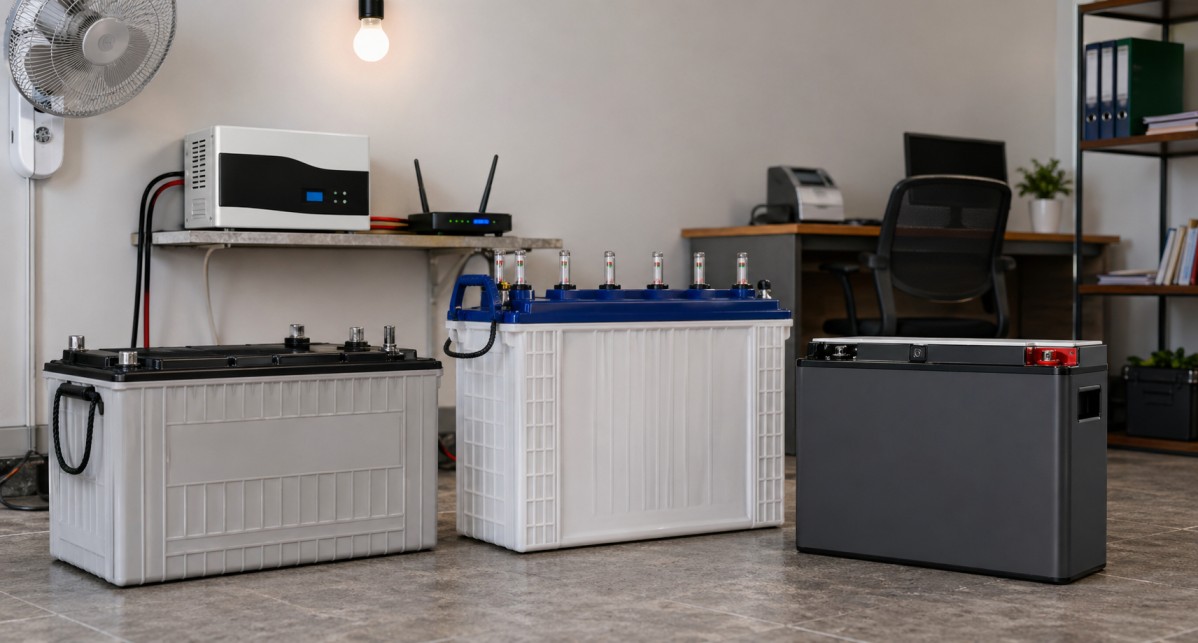
A 150Ah flat plate battery, a 150Ah tubular battery, and a lithium battery will not work the same way in real use. Backup time, life, maintenance, charging, price, and handling — everything changes.

So before choosing from the different types of inverter batteries, it is better to understand what each battery is actually made for.

Flat Plate Battery: Good for Light Use

Flat plate batteries are one of the older and more common types of lead-acid inverter batteries. They are usually cheaper than tubular batteries and can work fine where power cuts are short and not very frequent.

For a small home where the inverter runs only a few lights and fans for a short time, a flat plate battery can still do the job.

The problem starts when the battery is used heavily.

If power cuts happen daily, or the battery gets deeply discharged again and again, flat plate batteries may start losing backup faster. Many users buy them because the first price is lower. Later, they feel the backup is not lasting the way they expected.

That does not mean flat plate batteries are useless. They are just not made for every condition.

Use them where the load is light, power cuts are short, and budget is the main concern.

Tubular Battery: Better for Regular Backup

Tubular batteries are also lead-acid batteries, but their plate design is different. They are made to handle deeper discharge and longer backup needs better than flat plate batteries.

This is why tubular inverter batteries are commonly preferred in Indian homes, shops, offices, and small commercial places where power cuts are regular.

If your inverter runs fans, lights, Wi-Fi, CCTV, billing machine, computer, or other daily-use equipment, a tubular battery usually makes more sense.

At Sarex, we usually see that buyers who face regular power cuts need something more dependable than a basic flat plate battery. That is where our tubular battery range fits better. As a Trusted tubular battery supplier, we focus on backup needs where the battery has to work daily, not just once in a while.

The upfront price of a tubular battery may be higher than a flat plate battery, but the working life is generally better when the battery is maintained properly. Still, maintenance matters.

A tubular battery needs proper distilled water, ventilation, correct charging, and load control. If you overload the inverter or keep the battery in a hot closed corner, even a good battery will suffer.

Lithium Battery: Compact, Fast, but Costlier

Lithium batteries are different from lead-acid batteries. They are lighter, faster charging, and need less regular maintenance. They also take less space compared to traditional inverter batteries.

For homes or businesses where space is tight, or where users want a cleaner setup with less maintenance, lithium can look attractive. But the first cost is higher.

Also, lithium needs proper inverter compatibility. You cannot always remove a lead-acid battery and connect lithium directly without checking the inverter charging system, voltage, protection settings, and battery management system.

A lithium inverter battery can be a good option for premium users, frequent power cut areas, offices, and commercial setups where long-term convenience matters more than first price.

But for many regular homes, shops, and small offices, tubular batteries still remain a practical and proven choice.

Which Battery Should You Choose?

The answer depends on your usage. If your power cuts are short and your load is basic, a flat plate battery may be enough. It is cheaper and works for light backup.

If your power cuts are longer, or your inverter is used regularly, a tubular battery is usually better. It handles deeper discharge better and gives more dependable backup when maintained properly.

If you want faster charging, less maintenance, lighter weight, and are ready for a higher budget, lithium can be considered. But compatibility should be checked first.

This is the real difference between the main types of inverter batteries. It is not only about Ah rating. It is about power cut duration, load, space, maintenance, budget, and how important backup is for you.

Common Mistake Buyers Make

Many buyers choose only by price. They see two batteries with the same Ah rating and pick the cheaper one. Later, they wonder why backup is dropping early or why the battery needs replacement sooner than expected.

Battery selection should not be done like that. A shop with billing machines and CCTV has different needs from a small home. An office running Wi-Fi and computers needs more stable backup than a house using only two fans and lights. A place with daily power cuts needs a stronger battery than a place with rare outages.

That is why understanding the types of inverter batteries before buying can save money and trouble later.

Final Thoughts

Flat plate, tubular, and lithium batteries all have their place. Flat plate is better for budget and light use. Tubular is better for regular inverter backup and longer power cuts. Lithium is better for users who want compact size, faster charging, and low maintenance, but are ready for higher cost and proper compatibility checks.

At Sarex, we believe most homes, shops, and small offices facing regular power cuts need a battery that can handle daily backup pressure. That is why our tubular batteries are made for practical use, where stable backup and longer service life matter.As a Trusted tubular battery supplier, our suggestion is simple: do not buy only by Ah rating or price. First understand your load, power cut pattern, inverter condition, and maintenance ability. Then choose the battery type that actually fits your use.